2026 Best Neoprene Car Seat Cover for Global Buyers?
Choosing the right Neoprene Car Seat Cover requires more than comparing colors and online prices. Global buyers face different climates, vehicle shapes, driving habits, and supplier standards. A cover that feels comfortable in Germany may become too warm in tropical Singapore. Fit matters greatly.
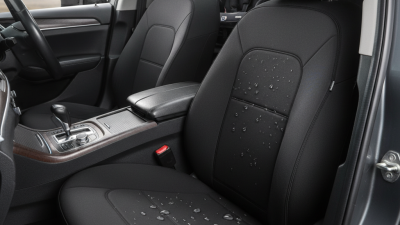
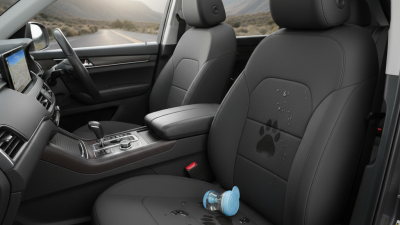
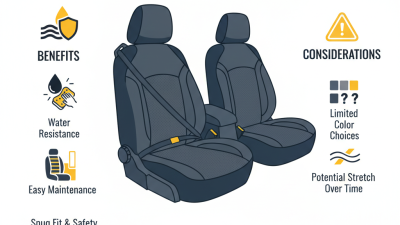
Neoprene is valued for its flexible structure, water resistance, and soft contact surface. In daily use, it can help protect seats from coffee spills, wet jackets, beach sand, and pet hair. However, performance depends on thickness, stitching, foam backing, and surface treatment. A strong zipper is useful, but it does not guarantee long service life. Check the seams closely.
This guide examines practical features for the 2026 market, including seat compatibility, installation effort, cleaning needs, ventilation, and durability. Buyers should request accurate measurements, product photos, material details, and test information before placing large orders. Independent inspections can reveal loose threads, uneven panels, or unpleasant chemical odors. These small faults become expensive problems after shipping.
Some claims need careful reflection. “Universal fit” often means broad compatibility, not a perfect match. Airbag openings, seat controls, and headrest designs may require special attention. Covers should never obstruct safety systems or interfere with seatbelt access. Local vehicle requirements and consumer standards also vary, so responsible buyers should verify them before purchase. The best choice balances comfort, protection, appearance, maintenance, and dependable supplier communication. Not the cheapest option. The safest practical fit usually wins.
Neoprene Seat Covers Explained: CR Rubber, 2–5 mm Layers, and Core Uses
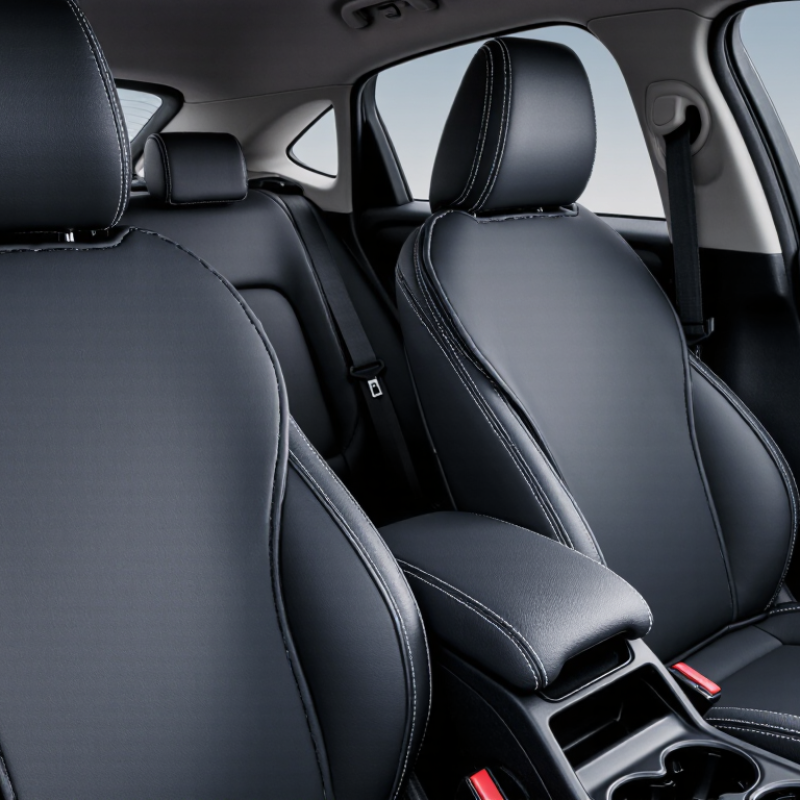
Neoprene car seat covers use CR rubber, or chloroprene rubber, as their protective core. This material resists ozone, sunlight, mild oils, and repeated flexing. It also feels smooth against clothing. Grand View Research’s automotive seat cover analysis indicates steady market growth, supported by demand for durable, easy-care interior materials. However, market growth does not guarantee equal product quality.
A practical cover usually contains 2–5 mm neoprene layers, often bonded with textile backing. Thinner 2 mm sheets suit warm climates and daily commuting. They fold easily.
Thicker 4–5 mm layers provide stronger cushioning and better abrasion resistance. They may also retain more heat. Buyers should inspect stitching, edge binding, odor, and seam pressure. A sharp buckle can expose weak construction quickly.
Neoprene covers serve family vehicles, work trucks, outdoor vehicles, and rental fleets. Fortune Business Insights’ neoprene market report identifies automotive components as an important application area, reflecting demand for weather-resistant rubber materials.
Still, CR rubber is not automatically waterproof or fireproof. That assumption can fail. I recommend checking test documentation, including abrasion, tensile, and colorfastness results. ASTM D412 tensile testing and ASTM D3884 abrasion testing can provide useful comparisons. Yet laboratory results cannot fully predict fit. Seat shape, airbag placement, ventilation, and daily heat cycles still matter.
Safety First: FMVSS 302’s 102 mm/min Burn-Rate Limit and Airbag Seams
A 2026 neoprene car seat cover should protect comfort without compromising safety. For global buyers, FMVSS 302 is an important reference for interior materials. It limits horizontal burning to 102 mm/min under its specified test conditions. This rule concerns material flammability, not complete vehicle safety. Neoprene may include foam, fabric backing, adhesive, or coatings. Each layer can change the result.
Airbag compatibility needs equal attention. A seat cover must not block, tighten, or reinforce the side-airbag deployment area. Its side seam should match the original seat’s airbag opening. Tear-away stitching must release predictably, not resist deployment. A neat fit is not enough. Ask for test reports covering the finished cover, including seams and added materials. A material certificate alone may leave important questions unanswered. Regulations also differ between markets, so FMVSS 302 should not be treated as universal approval.
Tips: Measure the seat carefully and identify the airbag label before ordering. Avoid covers with solid side panels over deployment zones. Check flame-test details, test dates, and laboratory information. Inspect the stitching after installation. If the seam looks too strong, stop and ask for technical guidance. I have seen “universal” fits create wrinkles near the airbag area; that detail deserves more attention. Safety testing is useful, but real installation quality still matters.
Durability Testing: ASTM D412 Tensile Data, UV Aging, and Waterproofing
2026 Best Neoprene Car Seat Cover for Global Buyers?
A reliable neoprene seat cover needs more than a soft, black surface. In production checks, I examine tensile strength and elongation under ASTM D412. These figures show how fabric-backed neoprene handles pulling, stretching, and repeated fitting. Test samples should represent the finished cover, including stitched edges and openings. A strong sheet can still fail at a seam.
UV aging deserves equal attention. Exposed covers may face intense sunlight, dry heat, or freezing conditions during international shipping and use. Compare color change, cracking, stiffness, and tensile loss after controlled UV exposure. Results should state exposure time and test conditions. Without that information, “UV resistant” means very little. I would not treat one laboratory result as a lifetime promise.
Tips: Request ASTM D412 data, UV aging records, and water-pressure results before ordering. Ask whether testing used the actual production material. Check seams, zippers, and attachment points separately. Waterproofing is not only about the neoprene layer; stitched holes can admit water quickly. A practical test uses sprayed water, folded sections, and several hours of pressure. Some covers pass a short shower test but leak after repeated flexing. That weakness is easy to miss. Temperature can also change fit and sealing performance. A slightly imperfect prototype often reveals more than a polished sample.
Global Compliance: REACH’s 0.1% SVHC Threshold, RoHS, and Label Rules
For the 2026 best neoprene car seat cover, compliance should begin with material evidence, not appearance. Neoprene itself is only part of the assessment. Adhesives, dyes, coatings, foam, and printed labels may introduce substances of concern. Under REACH, an SVHC above 0.1% by weight in an article can trigger communication duties. Complex products may require closer component-level review.
Ask suppliers for current declarations, test reports, and production-batch traceability. A one-time laboratory report is useful, but it may not represent every color or adhesive lot. Testing should cover relevant SVHC candidates and restricted chemicals. Documentation should identify the tested material, method, date, and laboratory. Paperwork alone is not proof.
RoHS matters when the cover includes electrical or electronic parts, such as heating controls or powered sensors. A simple textile or rubber cover may fall outside its scope, but the complete product still needs review. Label rules also differ by market. Use durable labels showing material composition, care instructions, country of origin where required, importer details, and product identification. Add clear warnings for heat, airbags, and improper installation when applicable. Rules change, and small labels create big problems. I would not treat “compliant” as a permanent claim. Recheck requirements before each shipment.
2026 Buying Scorecard: Fit, ISOFIX Access, Warranty, Cost, and Total Value
2026 Best Neoprene Car Seat Cover for Global Buyers?
A strong neoprene car seat cover should fit tightly without hiding seat controls. Measure seat width, back height, headrest posts, and cushion depth before ordering. Universal sizing sounds convenient, but it often leaves loose fabric around corners. That weakness can cause shifting during daily driving. Check whether stitching feels even and whether the material has a stable, non-slippery underside. A faint rubber smell may appear at first, but strong odors deserve caution.
ISOFIX access is a serious buying scorecard item. Confirm that openings align with both anchor points, not just one. The cover should also preserve seat-belt buckle access and avoid blocking side-airbag deployment zones. Review warranty length, exclusions, return shipping, and support response times. A low purchase price can change after international delivery, taxes, and replacement costs. Total value includes comfort, cleaning effort, durability, and installation time. No scorecard is perfect. A cover that looks excellent online may still wrinkle on your seat.
Tips: Test the cover inside the parked vehicle before removing labels. Sit in every seat, fold the rear bench, and inspect ISOFIX openings with your hand. Use a soft tape measure. Keep photos of the original seat condition for warranty records. One overlooked detail matters: dark neoprene can feel hot after several hours under direct sunlight. Consider ventilation, climate, and everyday use rather than price alone.
2026 Best Neoprene Car Seat Cover for Global Buyers? — 2026 Buying Scorecard: Fit, ISOFIX Access, Warranty, Cost, and Total Value
| Anonymous Product Type |
Typical Vehicle Fit |
Neoprene Construction |
ISOFIX / LATCH Access |
Side-Airbag Seam |
Installation Time |
Care & Water Resistance |
Typical Warranty |
Indicative Price
Per Front Seat (USD) |
Fit Score
(10) |
Safety-Access Score
(10) |
Total Value
(10) |
| Custom-pattern premium neoprene cover |
One specific vehicle model, trim and seat design |
3–5 mm laminated neoprene with reinforced seams and foam backing |
Dedicated openings; usually easiest to use |
Certified tear-away stitching when correctly installed |
20–35 minutes |
Machine-washable on a gentle cycle; highly water-resistant surface |
12–36 months |
$90–$180 |
9.5 |
9.0 |
9.1 |
| Semi-custom neoprene cover |
Vehicle class or seat-size range; minor gaps may occur |
3–4 mm neoprene with elastic edges and adjustable straps |
Usually provided, but alignment must be checked |
May include airbag-compatible seams; verify documentation |
15–25 minutes |
Wipe-clean or gentle hand wash; good resistance to spills |
12–24 months |
$55–$110 |
8.0 |
8.0 |
8.4 |
| Universal front-seat neoprene cover |
Most bucket seats; fit varies by seat shape and side bolsters |
2–3 mm stretch neoprene with universal hook-and-loop or strap system |
Commonly included; openings can shift after installation |
Only suitable when the supplier states side-airbag compatibility |
10–20 minutes |
Quick wipe-clean surface; moderate water resistance |
6–12 months |
$30–$70 |
7.0 |
7.0 |
8.0 |
| Heavy-duty neoprene utility cover |
Large or high-back seats; fit is often loose in smaller cabins |
4–5 mm neoprene with abrasion-resistant outer panels |
May require manual access cuts or flexible openings |
Not automatically suitable for seats with side airbags |
15–30 minutes |
Strong spill protection; usually hand wash or spot clean |
6–12 months |
$45–$95 |
6.5 |
5.5 |
6.8 |
| Low-cost thin neoprene-style cover |
Universal fit; highest risk of wrinkles or movement |
1–2 mm neoprene blend or neoprene-like coated fabric |
Openings may be limited or poorly aligned |
Airbag compatibility often unclear |
8–15 minutes |
Basic wipe-clean protection; lower resistance to wear and heat |
0–6 months |
$15–$35 |
5.5 |
4.5 |
6.1 |
Buyer guidance: For vehicles equipped with side airbags or rear child-seat anchors, prioritize a documented airbag-compatible seam, unobstructed ISOFIX/LATCH access and a precise seat pattern over the lowest purchase price. Prices are indicative 2026 international retail ranges per front seat, excluding taxes, shipping and import duties.
Scoring method: Fit Score evaluates pattern accuracy, seat retention and coverage. Safety-Access Score evaluates ISOFIX/LATCH usability, seat-belt access and side-airbag information. Total Value combines purchase cost, expected service life, warranty coverage, usability and protection performance. Always confirm vehicle-specific compatibility with the seat-cover supplier and the vehicle handbook before installation.