2026 Top Neoprene Laptop Bags for Wholesale Buyers
In 2026, wholesale buyers need laptop bags that balance dependable protection, practical design, and workable pricing. A Neoprene Laptop Bag can appeal to commuters, students, and corporate customers because the material is flexible, lightweight, and easy to handle. Yet neoprene alone does not guarantee quality. Stitching, zipper performance, lining, and fit all matter.
This guide examines leading options through details buyers can verify: supported laptop sizes, padding coverage, pocket layout, handle comfort, color availability, and customization choices. A snug fit helps limit movement, while a smooth zipper and reinforced seams can make everyday use more reliable. Ask suppliers for clear specifications and product samples before placing a larger order. Small details show up quickly in bulk.
Not every bag suits every market. Some buyers prioritize a slim sleeve for daily travel; others need extra pockets for chargers, documents, or a mouse. The article also considers minimum order quantities, sample access, packaging, and supplier communication, since these affect purchasing decisions as much as appearance. Still, no shortlist is perfect. Actual performance can vary with construction, care, and use, so compare products against your customers’ needs rather than relying on photos alone.
What Defines a Neoprene Laptop Bag
A neoprene laptop bag uses a flexible foam layer, often covered with knit or jersey fabric. That layer gives the bag its soft feel and can cushion minor knocks. It is not, by itself, a guarantee against drops or water. For wholesale buyers, ask suppliers to specify the material layers, thickness, and lining rather than relying on the word “neoprene” alone. Details matter.
Fit defines the bag just as much as material. Check the usable sleeve dimensions against the laptop, including its corners and any slim case. A close fit helps limit movement, while a tight opening can strain seams and zippers. Look for even stitching, smooth zipper travel, and a clean finish around handles. Small defects show quickly.
A well-defined product specification should also state pocket layout, closure type, color options, and measurement tolerances. Request a sample and inspect it with a device of the intended size; dimensions on a sheet can miss a snug fit. Neoprene may stretch, but repeated strain can affect its shape. It is easy to assume all foam sleeves perform alike. They do not. Clear specifications make comparisons more reliable, though they cannot replace checking production samples.
How Neoprene Materials Protect Laptops
Neoprene protects a laptop by placing a soft, flexible layer between the device and everyday bumps. Its foam structure compresses slightly when a bag is pressed or set down. That cushioning can reduce the force of minor knocks during commutes, warehouse handling, and delivery. A snug sleeve also helps limit scratches from keys or rough fabric inside a larger bag.
The material has a smooth surface that resists light splashes, which may buy time if rain catches a bag outdoors. It is not waterproof. Water can enter through seams, zippers, or an open edge, so buyers should assess the full construction, not just the fabric. Neoprene can also trap some warmth. Avoid leaving a laptop in direct sun or a hot vehicle for long periods.
For wholesale buyers, sample sleeves with different laptop sizes and check how firmly they hold each device. Too much stretch may loosen over time; a fit that is too tight can make removal awkward. Look closely at stitching, zipper guards, and corner coverage. Small details matter. Neoprene is not a perfect shield, and protection varies with thickness and construction. A simple drop test on a padded surface can reveal weak spots, though it cannot predict every real-world impact.
Common Bag Styles, Sizes, and Design Features
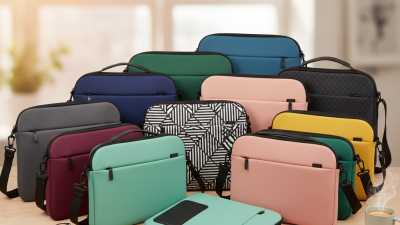
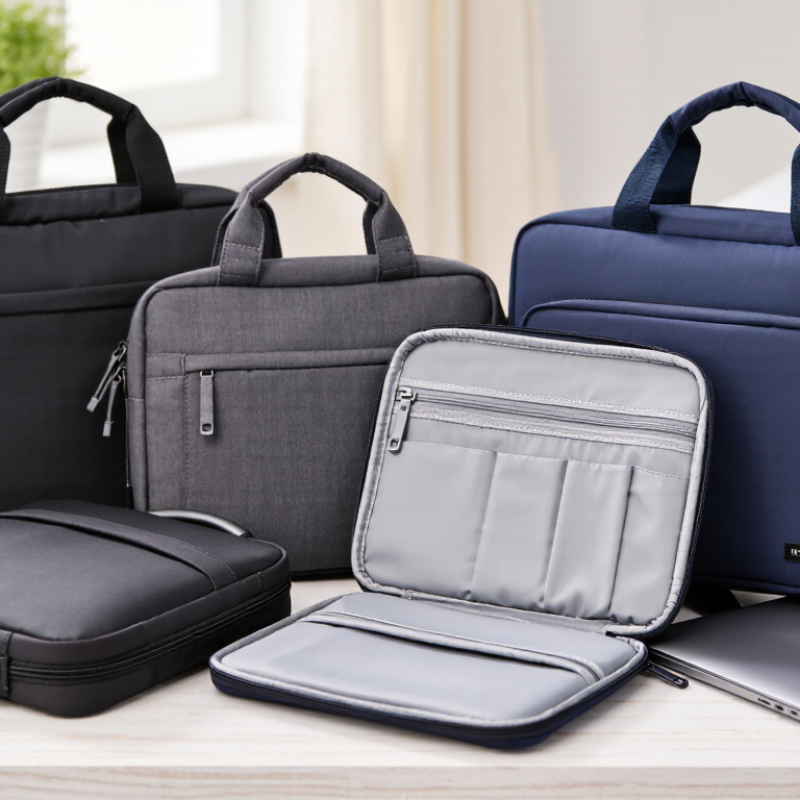
Neoprene laptop bags commonly come as slim sleeves, zippered pouches, or shoulder bags with extra storage. Sleeves suit buyers seeking lightweight protection and easy packing. Shoulder styles can hold chargers, notebooks, and a mouse, but added pockets increase bulk. A soft handle or removable strap may help, though not every buyer needs both.
Sizes often follow laptop screen categories, such as 13, 14, and 15.6 inches. Still, screen size alone can mislead. Measure the device’s width, height, and thickness, then compare them with the bag’s usable interior dimensions. Check zipper clearance too. Neoprene stretches slightly, but a snug fit can make removal awkward. Common design features include padded seams, smooth linings, front pockets, and water-resistant fabric finishes. Test zippers and stitching on samples; small flaws show up quickly in daily use.
Tips: Request a sample before confirming a wholesale order. Place a laptop inside, add its charger, and check the fit while carrying it. Ask for fabric thickness and size tolerances in writing. One detail is easy to miss: a roomy pocket may still be too shallow for a bulky power adapter.
2026 Top Neoprene Laptop Bags for Wholesale Buyers - Common Bag Styles, Sizes, and Design Features
| Common Bag Style |
Typical Device Fit |
Indicative Bag Dimensions (W × H × D) |
Typical Neoprene Thickness |
Common Design Features |
Wholesale Considerations |
| Slim Laptop Sleeve |
13–14-inch laptops |
13.5–14.5 × 9.5–10.5 × 0.5–1 in
(34–37 × 24–27 × 1–2.5 cm) |
2–3 mm |
Low-profile shape, zipper or envelope-style closure, soft lining, minimal seams |
Compact for packing and shipping; confirm internal dimensions against target device models. |
| Large Laptop Sleeve |
15–16-inch laptops |
15.5–16.5 × 11–12 × 0.5–1 in
(39–42 × 28–30 × 1–2.5 cm) |
2–4 mm |
Full-length zipper, reinforced edges, optional front accessory pocket |
Popular general-purpose size; allow additional room for device thickness and protective cases. |
| Top-Loading Laptop Case |
13–15.6-inch laptops |
14–16.5 × 10–12.5 × 1–2 in
(36–42 × 25–32 × 2.5–5 cm) |
3–5 mm |
Top zipper, padded sides, carry handles, inner organizer or document pocket |
More structure than a slim sleeve; check handle attachment and zipper placement during sampling. |
| Neoprene Laptop Tote |
13–15.6-inch laptops |
15–17 × 12–14 × 3–5 in
(38–43 × 30–36 × 8–13 cm) |
3–5 mm |
Long shoulder straps, open main compartment or zipper, interior pockets, reinforced base |
Confirm strap length, load-bearing construction, and whether the laptop compartment is separately padded. |
| Messenger-Style Laptop Bag |
14–16-inch laptops |
15–17 × 11–13 × 2–4 in
(38–43 × 28–33 × 5–10 cm) |
3–5 mm |
Adjustable shoulder strap, flap or zipper closure, front pocket, padded laptop section |
Suitable for buyers seeking hands-free carry; verify strap hardware and closure durability. |
| Convertible Laptop Backpack |
13–15.6-inch laptops |
15–17 × 11–16 × 3–6 in
(38–43 × 28–41 × 8–15 cm) |
3–5 mm |
Shoulder straps, top handles, zippered compartments, padded laptop pocket, optional luggage sleeve |
More components can affect cost and production time; specify pocket layout and strap construction clearly. |
| Tablet or Compact Device Sleeve |
10–13-inch tablets and compact laptops |
10.5–13.5 × 8–10 × 0.4–0.8 in
(27–34 × 20–25 × 1–2 cm) |
2–3 mm |
Lightweight profile, soft lining, zipper or flap closure, optional stylus pocket |
Useful as a complementary size; check fit for devices with keyboards, covers, or accessories. |
Size note: Laptop screen size is measured diagonally and does not define the device’s exact width, height, or thickness. Final bag dimensions should be checked against the intended device models, case use, and required clearance before production.
How Wholesale Buyers Compare Quality and Cost
2026 Top Neoprene Laptop Bags for Wholesale Buyers
How Wholesale Buyers Compare Quality and Cost
Wholesale buyers should compare more than the quoted unit price. Check neoprene thickness, seam consistency, zipper movement, and lining quality across several samples. A bag should cushion a laptop without feeling bulky. Ask suppliers for measurements and material specifications, then verify them against a physical sample. Small differences matter when ordering hundreds.
Cost comparisons work best when they include packaging, shipping, and likely defect rates. A lower price may come with uneven stitching or weaker zippers. Test sample bags with repeated opening, light pressure, and a laptop of the intended size. Look for stretched seams and corners that lose shape. One sample can still mislead, so request another from a later production run when possible. This adds time and cost, but may reveal variation before a large order.
Tips: Compare the same size and features. Record zipper quality, padding, and actual weight. Ask what changes affect pricing, and keep written specifications for repeat orders. No single specification fits every buyer; a slim everyday sleeve and a padded travel bag need different trade-offs.
What to Check When Selecting a 2026 Supplier
When comparing neoprene laptop bag suppliers in 2026, check how clearly they describe materials and production controls. Ask for the neoprene thickness, lining composition, zipper type, and available size tolerances. A reliable supplier should explain how these specifications are checked across production, not just on a sample. Request a pre-production sample and inspect its seams, edge binding, pocket layout, and fit with your target laptop dimensions. Small details matter.
Test the sample in ordinary use. Place a laptop inside, carry it by the handle, and check whether the bag keeps its shape. Look for uneven stitching, strong chemical odors, color transfer, or zippers that snag. Ask whether the supplier can provide relevant test records for seam strength, colorfastness, and material consistency. A polished sample is useful, but it cannot prove every bulk order will match. That part is easy to underestimate.
Confirm minimum order quantities, production lead times, packaging options, and the process for handling defects before agreeing to a schedule. Ask how changes to artwork, dimensions, or materials affect cost and delivery. Clear answers help buyers plan inventory and reduce last-minute surprises. Still, written promises need checking; request a dated specification sheet and keep an approved sample for comparison. Communication quality is a practical signal, though it is not a substitute for inspection.