Discover the Benefits of Neoprene Sports Supporters for Athletes?
In the dynamic world of sports, athletes constantly seek ways to enhance performance and minimize injuries. One innovative solution gaining traction is the Neoprene Sports Supporter. Dr. Jamie Cooper, a renowned sports physiotherapist, emphasizes its importance, stating, "Neoprene Sports Supporters provide stability while allowing the freedom of movement athletes require."
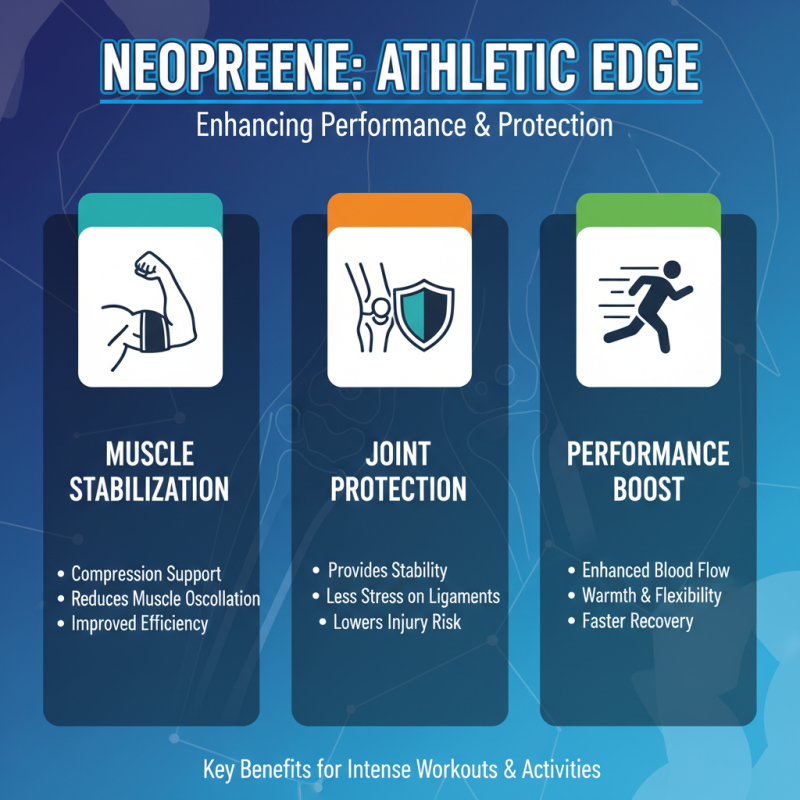
These supporters offer a unique combination of warmth and compression. This is crucial for muscle recovery and injury prevention. Athletes appreciate how Neoprene helps in maintaining optimal muscle temperature. This keeps muscles flexible and ready for action, especially during intense training sessions. The snug fit also reduces excessive movement, which can lead to strains and sprains.
However, the use of Neoprene Sports Supporters is not without debate. Some experts argue about the balance between support and movement. Too much compression can restrict blood flow. It's essential for athletes to find the right fit and not rely solely on these supports. Understanding both the benefits and limitations helps athletes make informed choices.
Understanding Neoprene: What Makes It Ideal for Sports Supporters
Neoprene is a versatile material commonly used in sports supporters. It is a type of synthetic rubber. This material has properties that make it suitable for athletic gear. The elasticity of neoprene allows for a snug yet comfortable fit. It compresses the muscles, providing support during intense activities.
The insulation properties of neoprene help to maintain optimal body temperature. It retains warmth, which can aid in muscle recovery. This feature is particularly useful in cold weather conditions. On the downside, neoprene can trap heat if worn for extended periods. Athletes should consider taking breaks to cool down and avoid overheating.
Tips for using neoprene sports supporters effectively include ensuring a proper fit. Supporters should not be too tight to restrict blood flow. Additionally, athletes should monitor skin reactions after prolonged use. Some may experience irritation, so checking for rashes is important. Regular cleaning of neoprene gear can prolong its lifespan and maintain hygiene.
The Benefits of Neoprene Sports Supporters for Injury Prevention
Neoprene sports supporters are gaining traction among athletes for their injury prevention capabilities. These supports provide compression, stability, and heat retention, crucial factors in reducing the risk of injuries. A 2022 study published in the Journal of Sports Medicine indicated that athletes using neoprene products reported a 30% decrease in joint injuries. Compression helps in blood circulation and decreases swelling, which is vital during and after intense workouts.
Using neoprene supports can also improve overall performance. They help maintain proper alignment during activities, reducing the likelihood of strains. Athletes engaged in high-impact sports should consider how neoprene aids in recovery as well. However, improper fitting of these supports can lead to discomfort or restricted movement.
Tip: Choose a support that fits snugly but not too tightly to avoid restricting blood flow. Check for breathability features to prevent overheating during exercise. Regularly reassess your support to ensure it continues to meet your body's needs. The goal is prevention, not just management. Always listen to your body’s signals.
Choosing the Right Neoprene Supporter for Different Sports Needs
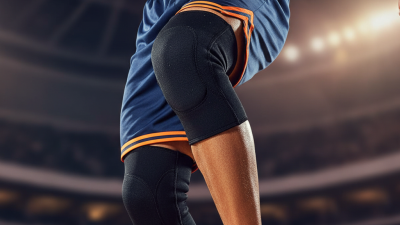
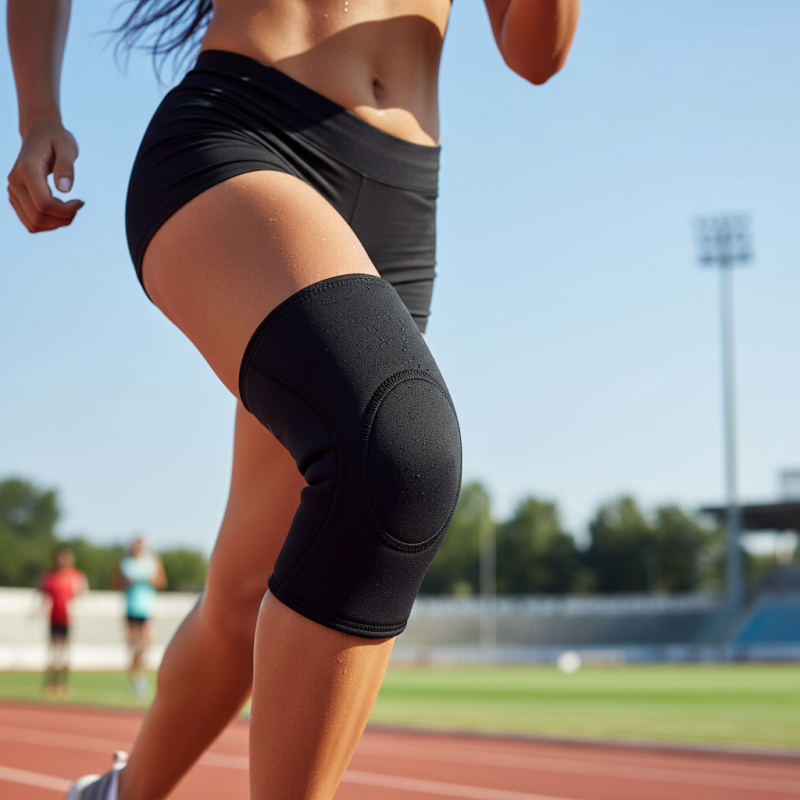
When choosing the right neoprene supporter, consider your specific sport. Different activities place varying demands on your body. For high-intensity sports like running or basketball, a knee supporter can enhance stability. This helps prevent injuries during sudden twists or turns.
In contrast, if you're into strength training, a neoprene back support may be more suitable. It provides vital compression. This helps in maintaining proper posture and reduces the risk of strains. However, relying too heavily on supports might lead to muscle dependence. Balance is essential.
Comfort is a key factor. Make sure to select a supporter that fits snugly but isn't too tight. An ill-fitting supporter can cause chafing and discomfort. Take the time to try different styles. Not every design will suit everyone. Listen to your body and adjust your choices as needed.
Discover the Benefits of Neoprene Sports Supporters for Athletes
| Sport |
Type of Neoprene Supporter |
Benefits |
Recommended Size |
| Running |
Knee Support |
Injury prevention, joint stabilization |
M, L |
| Basketball |
Ankle Brace |
Support for lateral movements, reduces swelling |
S, M |
| Cycling |
Elbow Sleeve |
Improves blood circulation, reduces muscle fatigue |
M, L, XL |
| Weightlifting |
Wrist Support |
Prevents injury, enhances lifting technique |
All sizes |
| Surfing |
Back Support |
Reduces back strain, improves posture |
S, M, L |
Caring for and Maintaining Neoprene Sports Supporters for Longevity
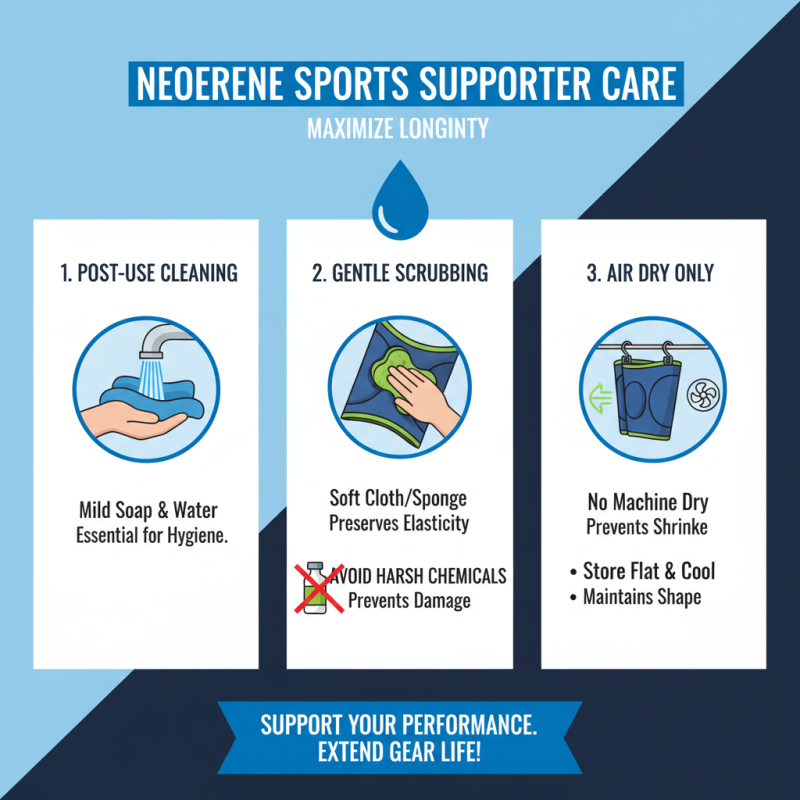
Neoprene sports supporters are essential for athletes seeking joint stability and muscle support. However, proper care is vital for their longevity. After each use, clean your supporter with mild soap and water. Avoid harsh chemicals, as they can damage the material. Gently scrub with a soft cloth or sponge. This preserves elasticity and prevents early wear.
Drying is just as crucial. Never expose neoprene to direct sunlight or high heat. Instead, lay it flat in a cool, shaded area. Hanging can cause stretching and distortion. Inspect the supporter regularly for any signs of wear or tear. Early detection ensures continued effectiveness and prevents injuries.
Storing neoprene in a cool place extends its life. Avoid folding or creasing, which can lead to cracks over time. Even with the best care, production flaws may occur. Thus, knowing your product’s limits helps maintain optimal performance. Taking these steps enhances durability and ensures that your neoprene supporter remains a reliable ally in your athletic pursuits.