Leave Your Message
Request a Quote

How to Choose the Best Neoprene Can Cooler in 2026?

Choosing the right Neoprene Can Cooler in 2026 requires more than picking a bright color or clever slogan. A reliable cooler should fit the can securely, reduce condensation, and feel comfortable in your hand. Small details matter. Check the neoprene thickness, stitching quality, opening size, and base stability before buying.

This guide examines practical features for everyday use, including beach trips, backyard gatherings, sporting events, and commuting. It compares standard 12-ounce cans, slim cans, and larger 16-ounce containers. A cooler that fits one shape may feel loose around another. That difference can affect insulation and grip.

Materials deserve careful attention. Neoprene can provide useful flexibility and modest temperature protection, but it cannot replace a proper insulated container. Look for smooth seams, durable printing, and a closure that does not snag. Test the sleeve with a cold can if possible. Feel the fabric.

User reviews can reveal problems that product descriptions miss, such as stretched openings, chemical odors, or weak stitching after repeated washing. However, reviews are personal experiences, not laboratory results. Keep that limitation in mind. Even expert advice has gaps. Some buyers may prefer a thinner sleeve for portability, while others need stronger insulation for outdoor use.

By focusing on fit, construction, maintenance, comfort, and honest performance, this guide helps narrow the choices. The best option is not always the most expensive one. It is the cooler that matches your can size, routine, and expectations without making promises it cannot keep.
How to Choose the Best Neoprene Can Cooler in 2026?

What a Neoprene Can Cooler Is and How It Works

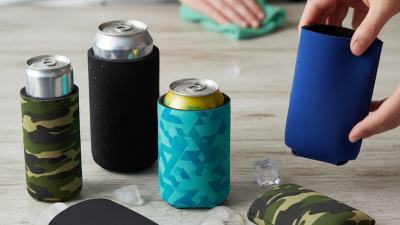
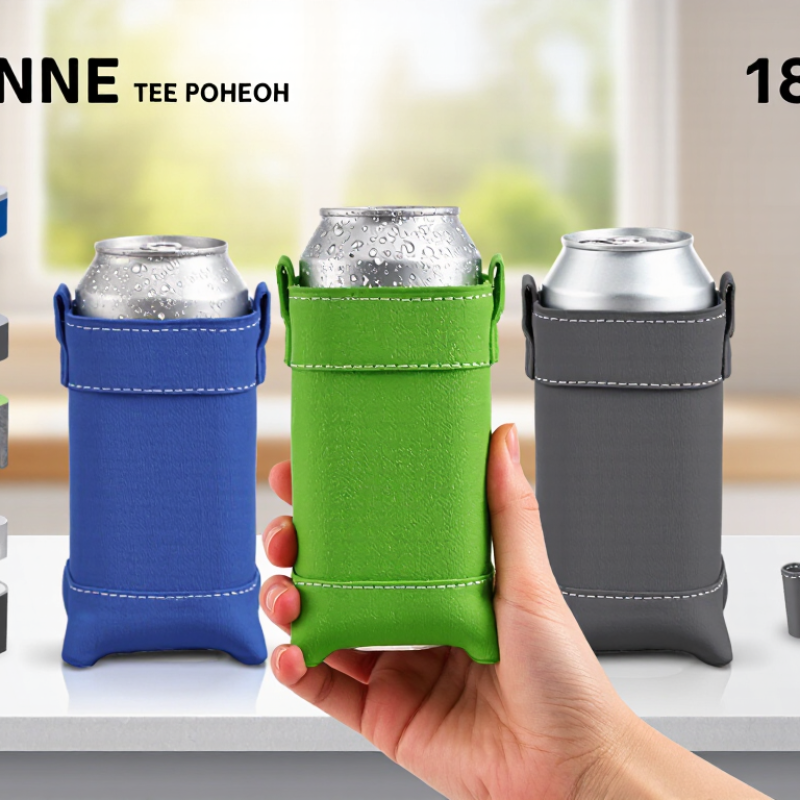
A neoprene can cooler is a flexible sleeve made from closed-cell synthetic rubber. It surrounds a can and slows heat transfer from warm air, hands, and nearby surfaces. The material also traps small air pockets, creating useful insulation without adding much weight. In daily use, I notice that a snug sleeve keeps a chilled drink colder for longer. It also reduces condensation on tables and prevents cold, slippery cans from falling easily. It does not produce cold. It only delays warming.

When a cold can enters the sleeve, the neoprene forms a barrier around its metal surface. The tighter the fit, the fewer warm-air gaps remain. A thick design may improve insulation, while a thin one usually folds and stores more easily. I once chose a loose cooler because it looked convenient. It slipped often. That mistake showed me that appearance cannot replace proper sizing. Stitching, stretch recovery, odor, and cleaning instructions also affect long-term reliability.

Tips: Measure the can before buying. Fit matters. Look for firm seams and smooth edges. Rinse the sleeve after spills, then let it dry completely. Avoid storing it while damp, since trapped moisture may create unpleasant odors. Reflect on your use, too. A cooler for a workbench may need stability, while one for travel should compress easily. No neoprene sleeve keeps a drink cold forever. Temperature, sunlight, and opening time still matter.

How to Choose the Best Neoprene Can Cooler in 2026? - What a Neoprene Can Cooler Is and How It Works

Practical comparison of common neoprene can-cooler designs and selection criteria
Design or criterion Typical specification How it works Best suited for
Slim sleeve Approximately 2–3 mm neoprene; designed mainly for 330–355 mL cans Creates a close-fitting insulating layer while adding little bulk Daily use, commuting, picnics, and easy storage
Standard can cooler Approximately 3–5 mm neoprene; usually fits 330–355 mL cans Thicker closed-cell foam reduces heat transfer from the surrounding air and hand General outdoor use and longer periods of hand-held drinking
Tall-can sleeve Approximately 3–5 mm neoprene; commonly sized for 473–500 mL cans Uses a taller insulating wall to cover the larger can surface area Tall beverages, outdoor events, travel, and sports activities
Bottle-compatible cooler Typically fits bottles or cans from approximately 330–750 mL, depending on the opening diameter A flexible neoprene wall conforms to the container and limits direct contact with warm air Users who alternate between cans and similarly sized bottles
Open-top construction Fast insertion and removal; the drinking opening remains fully accessible Insulates the sides and base while leaving the top exposed for convenient drinking Frequent use and situations requiring quick access
Zippered construction Fuller coverage with a side or top zipper; fit depends on the zipper length and opening size Holds the container more securely and covers more of its surface than an open sleeve Travel, transport, and users who want a more secure fit
Insulation thickness About 2–5 mm is common; thicker neoprene generally provides more thermal resistance Neoprene contains closed gas cells that slow the movement of heat through the material Choose 2–3 mm for portability or 4–5 mm for greater insulation and cushioning
Fit and dimensions Match the cooler to the container diameter, height, and volume; common can diameters are about 66 mm for standard cans and about 66–70 mm for many tall cans A close fit minimizes air gaps and reduces slipping, while excessive compression can make insertion difficult Anyone comparing standard cans, slim cans, tall cans, or bottles
Moisture handling Neoprene resists water absorption better than many absorbent fabrics, but it is not automatically waterproof The material helps reduce condensation on the outside of the can; seams and zippers may still allow water through Cold drinks, beach use, boating, and humid environments
Grip and cushioning Flexible, slightly textured material with cushioning that increases with thickness Improves hand comfort and helps protect the container from minor knocks Outdoor activities and use around pools, patios, or campsites
Cleaning requirements Hand washing with mild soap and complete air drying are generally recommended Cleaning removes beverage residue; thorough drying helps reduce odor and mildew risk Frequent users and anyone using coolers for sweetened beverages
Temperature-retention expectation No fixed cooling time; performance depends on starting temperature, air temperature, wind, sunlight, container material, fit, and thickness The cooler slows warming rather than actively refrigerating the drink Choose a close fit and thicker insulation when retention is more important than compactness
Selection note: The most important measurements are the container diameter, container height, and beverage volume. Neoprene thickness and coverage can improve insulation, but no can cooler can maintain a specific temperature for a guaranteed time under every condition.

Which Materials and Insulation Features Matter Most

How to Choose the Best Neoprene Can Cooler in 2026?

Material quality matters more than a glossy finish. Neoprene is a closed-cell synthetic rubber, so its tiny sealed cells slow heat transfer. The ASHRAE Handbook reports that still air has thermal conductivity near 0.025 W/m·K at room temperature. That explains why trapped air supports insulation. However, foam density, thickness, and compression also affect performance.

Look for 3–5 mm neoprene with even walls and firm recovery after squeezing. A cooler that collapses around a cold can loses insulating space. ASTM D1056 provides a useful framework for evaluating cellular rubber, including density, hardness, and compression behavior. These properties matter during repeated use, not only on a showroom shelf. I would check the opening, too. A loose fit leaves warm air gaps.

The outer fabric should resist moisture and abrasion, while the inner lining should remain smooth and easy to wipe. A 2024 report from the European Rubber Journal highlights continued demand for durable synthetic rubber products, but durability is not identical to sustainability. That distinction is easy to miss. Recycled content may help, yet it can change stretch and tear strength. Test the cooler with a chilled can for two hours, then inspect the seams and bottom panel. Laboratory figures help, but real hands reveal flaws.

How to Match Can Cooler Size with Your Beverage

Choosing the best neoprene can cooler in 2026 starts with matching its size to your beverage. Measure the can’s diameter and height before buying. A standard 330 or 355 milliliter can usually needs a snug, flexible sleeve. The cooler should grip the sides without stretching sharply. Fit matters. A loose sleeve allows cold air to escape faster and may slip from your hand.

Slim cans require a narrower opening, even when their volume seems similar. Tall 473 milliliter cans need extra height and deeper support. For glass bottles, check both the base width and neck shape. Neoprene compresses well, but it cannot correct every mismatch. I once used a wide sleeve on a narrow can, and the drink tilted whenever I walked. That small mistake made the cooler feel unreliable.

Look for a smooth inner surface and firm stitching around the opening. These details affect comfort and long-term performance. Test the cooler with a filled beverage, not an empty container. Weight changes the fit. A tight sleeve may protect temperature better, but it can become difficult to remove. A softer design feels easier to handle, though it may loosen after repeated use. The ideal size leaves little movement while allowing one-handed removal. Measure twice. Personal habits still matter.

How to Choose the Best Neoprene Can Cooler in 2026?

Match the cooler’s internal height and opening width with your beverage container.

The chart uses representative beverage-container dimensions commonly used for 330 mL, 355 mL, 473 mL, and 500 mL cans or bottles, plus a 750 mL glass bottle. Recommended cooler dimensions include approximately 10–15 mm of extra height and 4–6 mm of extra opening width to allow easy insertion while maintaining a secure fit. Actual packaging dimensions can vary by container design.

How to Compare Comfort, Durability, and Design Options

How to Choose the Best Neoprene Can Cooler in 2026?

Comfort should be tested with a cold can, not an empty one. A good neoprene cooler should fit snugly without squeezing your fingers. Check the opening with wet hands. It should remain easy to grip. Soft, flexible neoprene usually feels better during long outdoor use. However, overly thin material may lose shape quickly. Measure the can size carefully. Small differences can affect stability.

Durability depends on more than neoprene thickness. Inspect the stitching around the base and opening. Even, tight stitches reduce stretching and early separation. A reinforced bottom can protect against rough tables and accidental drops. Check the fabric after repeated folding. Cheap foam may develop permanent creases. It happens. Odor resistance also matters after spills, although cleaning instructions should guide your choice. Air-drying is safer than using intense heat.

Design options should serve real habits, not decoration alone. A flat base helps the cooler stand beside a chair. A hanging loop can be useful during walks or gatherings. Bright colors improve visibility, while darker surfaces may hide stains better. I once chose appearance over grip and regretted it after condensation made the sleeve slippery. Review product measurements, material details, and care guidance from reliable sellers. User reviews can reveal problems, but they should be compared carefully. Personal expectations differ.

How to Choose the Best Neoprene Can Cooler for Your Needs in 2026

Choosing the best neoprene can cooler for your needs in 2026 starts with fit, not appearance. A standard 330 ml can should sit firmly without squeezing. For taller 473 ml cans, check the cooler’s internal height and opening diameter. My first sleeve looked attractive but slipped during a picnic. That mistake mattered. Measure your usual cans first.

Material quality deserves closer attention. Grand View Research estimated the global neoprene market at about USD 2 billion in 2023, with steady growth expected through 2030. This growth reflects demand across insulation, sportswear, and protective products. However, a larger market does not guarantee better construction. Look for 3–5 mm neoprene, even seams, and reinforced stitching around the base. A firm bottom helps prevent tipping. A zipper or adjustable closure improves fit, but may add bulk.

Test the details at home. Add a cold can, then hold the cooler for ten minutes. Watch for condensation, seam stress, and uncomfortable edges. The U.S. Department of Energy notes that insulation performance depends on thickness, conductivity, and contact conditions. A thicker sleeve can help, but poor fit still wastes cooling performance. Choose smooth, washable fabric for repeated use. Avoid assuming “premium” means durable. Check the cleaning instructions, drying time, and storage shape. Small details often decide whether the cooler survives a hot afternoon or stays forgotten in a drawer.