| Water Resistance |
Neoprene is a closed-cell synthetic rubber foam and generally resists short-term contact with splashes, condensation, and damp surfaces. |
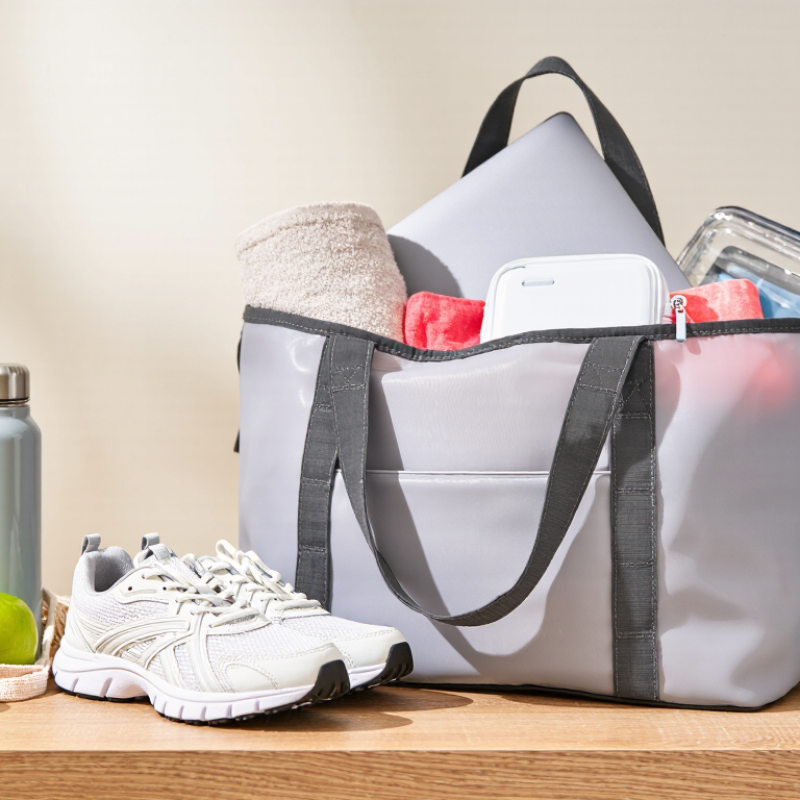
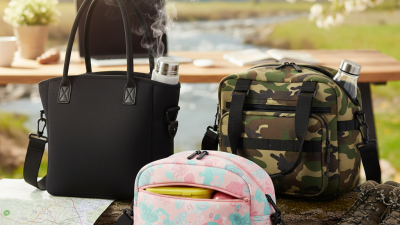
Suitable for carrying towels, swimwear, gym clothing, beach accessories, and reusable water bottles. |
Water resistance is not the same as waterproof construction. Seams, stitching, zippers, handles, and untreated openings can allow water to enter. |
| Water Absorption |
Closed-cell neoprene normally absorbs less water than open-cell foams, but the actual result depends on foam formulation, thickness, facing fabric, cuts, seams, and surface damage. |
Helps reduce rapid soaking and can make the bag easier to wipe dry after light moisture exposure. |
ASTM D1056 includes water-absorption evaluation for flexible cellular materials. A finished tote should not be assigned a material-grade result unless the exact foam and construction have been tested. |
| ASTM D1056 Relevance |
ASTM D1056 is a specification for flexible cellular materials made from rubber or rubber-like materials, including neoprene-type foam products. |
Useful for organizing material requirements such as density, compression deflection, tensile behavior, elongation, and water absorption. |
The standard does not certify a complete tote bag for every use. Test results are affected by the selected grade, specimen preparation, thickness, conditioning, and test method. |
| Cleaning After Everyday Use |
Most surface dirt and light spills can be removed with lukewarm water and a small amount of mild detergent. |
Appropriate for routine cleaning after commuting, shopping, exercise, or outdoor use. |
Wipe or gently hand-wash, rinse thoroughly, and allow the bag to air-dry completely before storage. |
| Stain and Odor Control |
Neoprene can retain odors when moisture remains trapped in folds, linings, or seams. |
Regular drying helps maintain freshness when the tote is used for damp clothing, lunch containers, or sports equipment. |
Do not seal the bag while damp. Test any cleaner on a hidden area first, especially when the tote has a printed or laminated outer surface. |
| Recommended Cleaning Method |
Use a soft cloth or soft brush with diluted mild soap; avoid aggressive scrubbing that may damage the foam or fabric coating. |
Provides a low-impact method for removing dust, salt residue, and ordinary surface marks. |
Avoid bleach, solvents, petroleum-based cleaners, fabric softener, and harsh degreasers unless specifically approved for the product materials. |
| Drying Performance |
Surface moisture usually evaporates faster than moisture trapped inside seams, pockets, or thick foam sections. |
Air drying helps prepare the tote for its next use and reduces mildew risk caused by prolonged dampness. |
Dry in a ventilated shaded area. Avoid high heat, tumble drying, radiators, irons, and prolonged direct sunlight, which may deform or age the material. |
| Insulation |
Neoprene foam has low thermal conductivity compared with many solid fabrics, so it can provide short-term thermal buffering. |
Useful for carrying beverages, packed meals, cosmetics, or temperature-sensitive personal items for short trips. |
A standard tote is not automatically an insulated cooler. Heat transfer depends on foam thickness, lining, closure, contents, and ambient temperature. |
| Flexibility and Protection |
The foam structure cushions contents against minor impacts and can conform around irregularly shaped items. |
Suitable for groceries, books, workout gear, electronics accessories, and personal belongings that need light cushioning. |
It is not a substitute for a rigid protective case. Sharp edges, excessive compression, and overloading can cut or permanently deform the foam. |
| Load-Carrying Considerations |
Carrying capacity is governed mainly by handle attachment, seam construction, lining, reinforcement, and bag design rather than foam alone. |
Works well for ordinary daily loads when weight is distributed evenly. |
Do not infer a safe load limit from ASTM D1056 foam properties. The finished bag requires separate handle, seam, and load testing. |
| Chemical and Environmental Exposure |
Neoprene performance can change with prolonged exposure to oils, solvents, strong oxidizers, excessive heat, or ultraviolet radiation. |
Best suited to normal indoor, commuting, fitness, shopping, and occasional outdoor conditions. |
Remove chemical spills promptly, keep away from open flames, and store clean and dry in a cool location. |
| Best-Fit Applications |
Lightweight, flexible, water-resistant, and easy-care characteristics make neoprene totes practical for damp or active-use environments. |
Beach and pool trips, gym sessions, travel, grocery shopping, lunch carrying, diaper essentials, and casual daily errands. |
For submerged use, hazardous liquids, heavy industrial loads, or long-term temperature control, a purpose-built container with verified performance is more appropriate. |