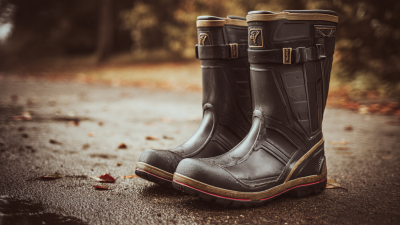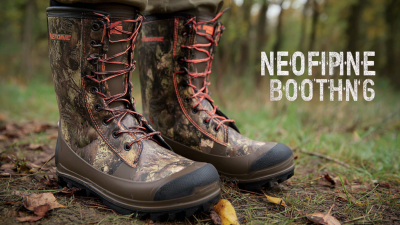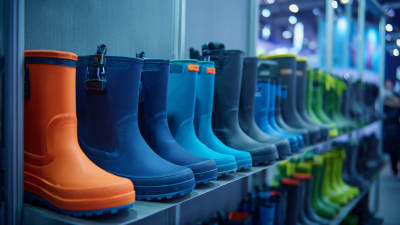
Neoprene Boots are no longer limited to cold-water work. They now serve anglers, hunters, farmers, rescue crews, and outdoor workers. Their appeal is practical: flexible neoprene traps body heat, resists splashes, and cushions uneven ground. Still, one boot cannot solve every problem.
Market evidence supports this wider use. Grand View Research reported continued growth in the global neoprene market, driven by protective equipment, automotive products, and sporting goods. Fortune Business Insights also identified outdoor recreation and industrial safety as important demand areas. These reports measure neoprene broadly, not boots alone. That limitation matters. Product popularity does not automatically prove field performance.
Footwear materials consultant Dr. Mark J. Rowe explains, “The right neoprene boot balances insulation, mobility, drainage, and ground protection.” That principle guides this guide. A 3mm boot may feel comfortable during spring fishing. A 7mm boot may perform better on icy banks, but it can restrict movement. Seam construction, outsole grip, heel support, and sizing deserve equal attention. Thick is not always better.
This article examines the Top 10 Types of Neoprene Boots, including ankle boots, knee-high boots, chest waders, insulated hunting boots, fishing boots, work boots, and lightweight travel designs. Each type fits a different environment. Mud clings to aggressive tread patterns. Wet decks punish smooth soles. Poor sizing creates painful pressure points.
The comparisons will use practical criteria, manufacturer specifications, and real-use considerations. Some conclusions remain subjective. Foot shape varies. Weather changes quickly. That is why careful selection still matters more than marketing language.
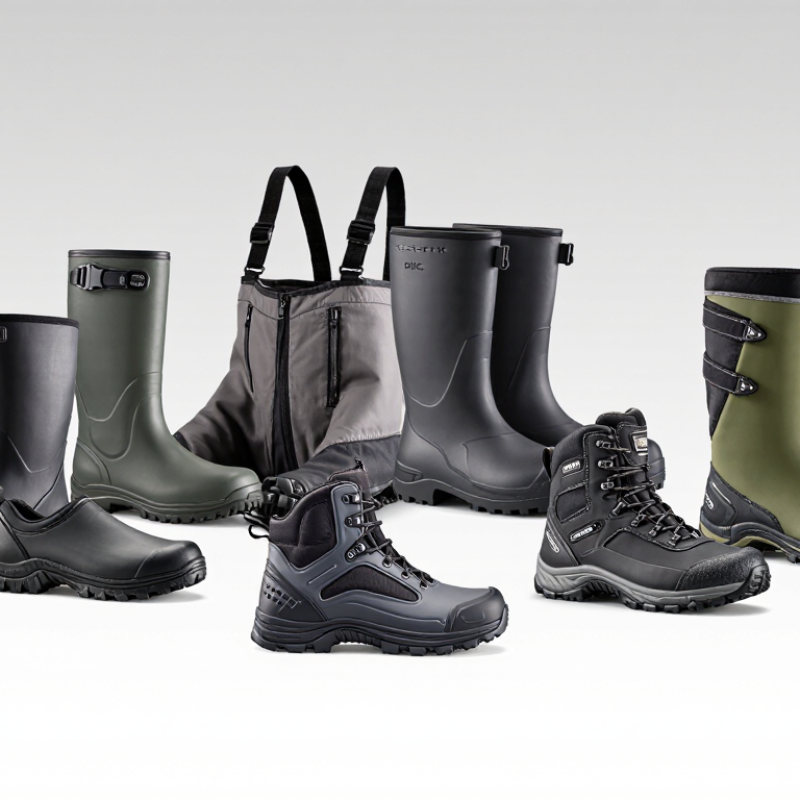
Neoprene boots vary by purpose, thickness, and construction. The ten common types include diving boots, surf boots, fishing boots, hunting boots, kayak boots, sailing boots, wading boots, work boots, thermal winter boots, and lightweight water shoes. Each design balances warmth, grip, flexibility, and water resistance differently.
Most boots use closed-cell neoprene, which traps air and slows heat loss. Thicker neoprene usually offers better insulation, but it can restrict ankle movement. Smooth outer panels reduce water flushing around the skin. Reinforced soles protect against rocks, shells, and uneven ground. Sealed seams improve durability, although stitching alone may still leak under pressure. High-cuff structures help block splashes, while low-cut designs feel lighter during active movement. Fit matters more than many buyers expect. A loose heel can create blisters and reduce control.
Tips: Measure your foot while wearing the socks you normally use. Check the sole pattern for wet surfaces, not just appearance. Flex the ankle before buying. Some boots feel excellent in a shop but become tiring after hours outside. Rinse away salt, mud, and sand after use, then dry them away from direct heat. I have found that drying too quickly can weaken adhesives. That small detail is easy to overlook.
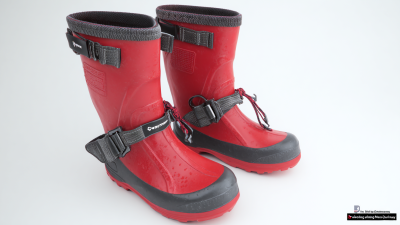
What Are the Top 10 Types of Neoprene Boots?
Neoprene boot types are best classified by use and design, not by appearance alone. Surf boots use thin, flexible neoprene for board control and quick foot movement. Dive boots add thicker insulation and firmer soles for rocky entries. Fishing wading boots support long hours in shallow water. Sailing boots use non-marking, slip-resistant soles on wet decks. Kayaking boots balance ankle protection with compact flexibility. Hunting boots often provide camouflage, warmth, and quiet movement. Work boots focus on puncture resistance and stable traction. Rain boots use simpler neoprene shells for repeated exposure to wet ground. Insulated winter boots trap more heat for snow and frozen surfaces. Split-toe boots improve balance, although some users dislike the unusual fit.
Design details often separate one type from another. Sole thickness affects grip, sensitivity, and walking comfort. A shallow tread suits boat decks, while deep lugs handle mud and loose gravel. Zippers make entry easier but may create pressure points. Pull tabs save time. Reinforced heels and toes usually improve durability in demanding conditions.
A practical fitting check is simple. Wear the socks you normally use, then bend your ankle. Your heel should stay mostly in place. Tight boots restrict circulation, while loose boots cause blisters. The list is not perfectly rigid. Some fishing boots work well for hunting, yet they may feel heavy during long hikes. Neoprene also dries slowly, which many buyers overlook. Small design choices often matter more than thickness alone.
| No. | Neoprene Boot Type | Primary Use | Key Design Characteristics | Typical Neoprene Thickness | Sole and Grip Design | Best Conditions | Main Advantage |
|---|---|---|---|---|---|---|---|
| 1 | Surf Boots | Surfing, bodyboarding, and other board sports | Low-profile ankle or split-toe construction; flexible neoprene panels; close-fitting opening to reduce water exchange | 2–5 mm | Thin, flexible rubber sole with textured outsole for board feel | Cold water, rocky beaches, and reef breaks | Warmth with excellent sensitivity and flexibility |
| 2 | Wetsuit Boots | General cold-water swimming, snorkeling, and diving | Usually higher-cut than surf boots; sealed or glued-and-stitched seams; may include an adjustable ankle strap | 3–7 mm | Protective rubber sole with moderate traction | Cold water and mixed shore or boat entry | Balanced thermal insulation and foot protection |
| 3 | Diving Boots | Scuba diving and shore diving | Reinforced heel and toe; durable upper; structured sole; designed to work with open-heel fins | 5–7 mm | Stiff, slip-resistant sole with heel retention area | Cold water, boat decks, and rocky shorelines | Strong protection and secure fin compatibility |
| 4 | Kayak and Canoe Boots | Flatwater paddling, sea kayaking, and canoeing | Flexible low-cut or mid-cut profile; lightweight construction; often shaped for use inside a kayak cockpit | 2–5 mm | Thin non-marking sole with wet-surface traction | Wet launches, splash-prone trips, and mild to cool water | Comfort and pedal control without excess bulk |
| 5 | Canyoning and River Boots | Canyoning, river trekking, and technical water routes | High-cut neoprene upper; abrasion-resistant panels; secure fastening; designed for repeated contact with rock and current | 3–5 mm | Deep-lug rubber outsole for wet rock and uneven terrain | Cold rivers, canyons, and slippery streambeds | Traction and protection in rugged environments |
| 6 | Fishing Wading Boots | Shore fishing, river fishing, and use with neoprene waders | Roomier fit to accommodate wader socks; reinforced upper; designed for stability during prolonged standing and walking | Integrated neoprene commonly 3–5 mm | Rubber, felt-compatible, or lugged outsole depending on local regulations and terrain | Cold rivers, streams, mud, and uneven banks | Stability and underfoot protection during wading |
| 7 | Sailing and Deck Boots | Sailing, cruising, and marine deck work | Water-resistant neoprene upper; secure ankle fit; often paired with a quick-drying lining and non-marking outsole | 2–4 mm | Flat, non-marking sole with channels for water dispersal | Wet boat decks, spray, rain, and cool weather | Reliable grip on smooth marine surfaces |
| 8 | Water Sports Shoes | Rafting, paddleboarding, sailing, and recreational water activities | Lightweight slip-on or lace-up design; drainage openings; flexible construction for frequent entry and exit | 1.5–3 mm | Flexible rubber outsole with multidirectional tread | Warm to mild water and mixed wet-dry activities | Fast drying and easy movement |
| 9 | Winter Water-Sports Boots | Cold-weather surfing, paddling, and beach activities | Thicker neoprene; thermal lining; sealed seams; higher shaft and adjustable closure for improved heat retention | 5–7 mm | Moderately rigid rubber sole with cold-resistant traction | Very cold water, winter beaches, and low air temperatures | Maximum thermal protection among flexible water boots |
| 10 | Neoprene Rain and Work Boots | Outdoor work, agriculture, hunting, and wet-weather walking | Tall pull-on shaft; molded or laminated neoprene body; reinforced heel and toe; room for thicker socks | 3–5 mm | Deep lug outsole for mud, soil, and wet grass | Rain, mud, marshland, and cool outdoor conditions | Extended coverage and dependable weather protection |
Choosing among the top 10 types of neoprene boots depends on water temperature, terrain, and movement. The best pair should fit closely without restricting circulation.
Ankle neoprene boots suit warm beaches, light paddling, and quick changes. They offer flexible soles and easy walking. Mid-calf boots provide more splash protection for shallow water and muddy paths. Knee-high boots add stronger coverage for fishing, marshes, and wet grass. Chest-wader boots extend protection higher, with reinforced soles for slippery riverbeds.
Cold-water diving boots use thicker neoprene, firm heel support, and textured soles. Surf booties remain flexible, helping users feel the board beneath their feet.
Sailing boots emphasize drainage, grip, and non-marking soles. Kayaking boots usually have flexible uppers and low-profile soles for cramped footwells. Hunting boots often combine thicker insulation, quiet materials, and aggressive tread. Insulated work boots focus on durability, toe protection, and stable footing around cold, wet surfaces.
Features matter more than appearance. A thicker boot retains heat better, but it may reduce ankle movement. A deep tread grips mud well, yet it can feel awkward on smooth decks.
In practical fitting, many people choose oversized boots for extra socks, then discover painful heel lift. That mistake is easy to make. Check seam quality, sole stiffness, and drying time before buying. Neoprene can hold moisture for hours, especially when the lining lacks ventilation. Even a well-designed boot needs careful rinsing and complete drying after use.
Neoprene boots serve different jobs, and the right pair depends on water, weather, and ground conditions. The ten common types include surfing boots, diving boots, kayaking boots, fishing boots, sailing boots, rain boots, work boots, hiking boots, winter boots, and beach-walking boots. Surfing and diving styles usually fit closely, reducing heat loss and fin movement. Kayaking and sailing boots need flexible soles with reliable grip on wet surfaces. Fishing boots often rise higher, protecting legs from shallow water and mud.
For outdoor work, reinforced neoprene boots can handle cold puddles, rough soil, and long hours standing. However, insulation may make feet sweat during warm shifts. I once selected a thick pair for spring work and regretted it by midday. Ventilation matters more than expected. Winter boots need thicker neoprene and deeper tread, while hiking boots should balance ankle support with walking flexibility. Beach boots can stay lighter, since sand demands comfort rather than heavy protection.
Check the boot’s thickness, seam quality, sole pattern, and opening before buying.
A snug fit is useful, but cramped toes quickly become painful. Leave enough room for the socks you actually wear. Wet interiors also need time to dry fully; storing them damp can create unpleasant odors and weaken materials. Test the sole on smooth tile, muddy ground, and loose gravel when possible. No boot handles every activity perfectly, so choosing one “universal” pair may be a practical mistake.
What Are the Top 10 Types of Neoprene Boots?
Neoprene boots come in ten practical forms: ankle, mid-calf, knee-high, chest waders, fishing, hunting, diving, sailing, insulated work, and waterproof overboots. Each design serves a different exposure. Ankle boots suit shallow water and quick changes. Chest waders protect clothing but demand careful movement. Diving boots need close foot control. Work boots need stronger soles and verified protective features.
Fit affects safety more than appearance. Leave slight toe space, but prevent heel movement. A loose heel can create blisters and reduce balance. Thick socks may improve warmth, yet they can compress the foot. Try boots late in the day, when feet are larger. I still make this mistake sometimes. The U.S. Consumer Product Safety Commission’s NEISS injury estimates report more than eight million fall-related emergency visits annually. Poor traction can turn wet flooring into a serious hazard. Choose deep, flexible tread and check the sole for wear.
Care extends usable life. Rinse salt, mud, and chemicals with clean water after every outing. Dry boots in shade, with the opening fully spread. Avoid radiators and intense sunlight. Heat can harden or shrink neoprene. Inspect seams, cracks, and tread before each use. A 2024 Grand View Research report valued the global protective footwear market at approximately 8.8 billion dollars in 2023, showing strong demand for specialized protection. That figure does not prove every boot is safe. Check the manufacturer’s specifications, relevant ASTM testing, and workplace requirements before relying on neoprene alone.