How to Choose a Neoprene Bottle Cooler for Your Business
Choosing a Neoprene Bottle Cooler is not simply a branding decision. It affects product protection, user comfort, and repeat purchases. According to Grand View Research’s reusable water bottle market analysis, demand is expanding as consumers seek durable, reusable drinkware. However, market figures vary between research firms. That difference deserves attention.
For business buyers, material performance should come before appearance. A reliable cooler should fit the intended bottle diameter without slipping. It should also resist condensation during outdoor use. Check the neoprene thickness, stitching quality, zipper performance, and print durability. A 500-milliliter bottle may need a different fit from a wide sports bottle. Small details matter. A loose sleeve can damage the brand experience.
The IMARC Group and Fortune Business Insights both identify sustainability and product personalization as important market drivers. These reports support investment in reusable accessories, but they do not guarantee sales. That is where many purchasing plans become too optimistic. A custom logo cannot correct poor insulation or weak seams. Request samples before approving bulk production. Test them with cold bottles, damp hands, and repeated handling. Review odor, colorfastness, and cleaning instructions as well. Suppliers should provide clear material specifications and consistent quality records. Responsible sourcing also requires checking factory practices and packaging choices. The best option balances cost, function, minimum order quantity, and brand identity. It may not be the cheapest one. That is an uncomfortable point, but an important one. A thoughtful selection process gives your Neoprene Bottle Cooler a better chance of becoming a useful product, not forgotten promotional merchandise.
Define Your Business Needs and Intended Use
Choosing a neoprene bottle cooler starts with your business needs, not its appearance. A café may need slim sleeves for takeaway drinks and quick counter service. A fitness studio may need durable coolers for repeated handling and damp conditions. A delivery business may require stronger stitching and secure closures. Define the bottle sizes, daily quantity, and expected usage before requesting samples.
Measure the bottle body, base, cap, and widest point. Small differences can affect fit. A loose cooler may slip during transport, while a tight one can slow service. Consider whether staff will carry bottles, store them, or place them in refrigerated bags. I once approved a sample that looked practical. It fit the bottle, but the opening stretched poorly after repeated use. That mistake changed my testing process.
Check neoprene thickness, seam quality, handle strength, and cleaning instructions. Dark colors may hide stains, but lighter colors can support a cleaner visual presentation. Ask for clear material details and consistent sizing records. Test samples with wet hands, full bottles, and several days of normal use. Record any odor, fading, stretching, or loose threads. Consider printed decoration only after confirming the surface accepts it evenly. A useful cooler should support your workflow, not create another task. Businesses often underestimate storage space. Ten cartons can occupy more room than expected. Review packing dimensions before placing a large order.
Compare Neoprene Materials, Thicknesses, and Insulation Performance
How to Choose a Neoprene Bottle Cooler for Your Business
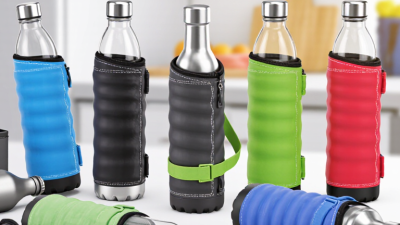
A business bottle cooler should suit the drinks, handling, and settings your customers encounter. Neoprene is a flexible foam material, but its feel and performance vary with construction. A thinner sleeve is lighter and easier to pack. A thicker one can provide more cushioning and slow heat transfer, though it may feel bulky around a narrow bottle. Check the product’s actual fit, not just its stated capacity. A loose sleeve can slip; a tight one may be difficult to remove.
Tips: Compare samples with a cold bottle. Feel the seams and stretch the fabric gently. Ask suppliers for material thickness and care instructions. Insulation depends on more than thickness: bottle temperature, outdoor heat, and how often the drink is opened all matter. No sleeve keeps a drink cold indefinitely.
Before ordering in quantity, test a few thicknesses through a typical workday. Note whether the outer surface stays comfortable to hold and whether condensation affects the stitching or printed design. Neoprene with a smooth outer layer may suit frequent handling, while a textured finish can offer a steadier grip. These are trade-offs, not guarantees. One sample test may not reflect every season or customer, so leave room to reassess after real use.
Choose the Right Size, Shape, and Bottle Compatibility
How to Choose a Neoprene Bottle Cooler for Your Business
Size should follow the bottle, not the artwork. Measure the bottle’s height, widest diameter, and cap shape before selecting a cooler. A 500-milliliter bottle usually needs a snug sleeve, while larger sports bottles need extra circumference and stronger seams. Grand View Research valued the global reusable water bottle market at approximately USD 8.38 billion in 2023. That growth suggests varied bottle formats will remain common in business promotions.
Shape affects both protection and handling. Cylindrical coolers suit standard bottles and pack efficiently in cartons. Tapered designs can improve grip, but they may not fit every container. A flat-bottom style is useful for event tables and delivery kits. Test the cooler when the bottle is full, not empty. Weight changes the balance. Small detail.
Compatibility deserves a physical check. Compare the cooler’s opening with the bottle neck, shoulder, and closure. A narrow opening can stretch neoprene and weaken stitching over time. A loose opening may slip during transport. The International Bottled Water Association’s 2023 consumer research showed continued demand for portable bottled water, reinforcing the need for practical carry solutions. Still, market data cannot replace sampling. I have seen attractive prototypes fail because the bottle base rubbed against a hard zipper. Request samples, test repeated insertion, and inspect seams after washing. Perfect fit claims are often too optimistic.
How to Choose a Neoprene Bottle Cooler for Your Business — Choose the Right Size, Shape, and Bottle Compatibility
| Bottle Type |
Typical Bottle Dimensions |
Suggested Cooler Size |
Recommended Shape |
Best Business Uses |
| 12 oz long-neck glass bottle |
About 2.4–2.6 in (6.1–6.6 cm) diameter; 9–10 in (23–25.4 cm) tall |
Inner diameter: 2.5–2.7 in (6.4–6.9 cm); body height: 8.5–9.5 in (21.6–24.1 cm) |
Tapered sleeve with an open top; choose a neck cutout if the bottle has a pronounced shoulder |
Events, hospitality, beverage promotions, and retail giveaways |
| 16.9 oz (500 mL) PET water bottle |
Commonly about 2.5–2.8 in (6.4–7.1 cm) diameter; 8.5–9.5 in (21.6–24.1 cm) tall |
Inner diameter: 2.7–2.9 in (6.9–7.4 cm); body height: 8–9 in (20.3–22.9 cm) |
Straight or lightly tapered sleeve with a flexible opening |
Conferences, outdoor events, employee welcome kits, and branded water service |
| 20 oz (591 mL) sports or reusable bottle |
Often about 2.8–3.1 in (7.1–7.9 cm) diameter; 9.5–11 in (24.1–27.9 cm) tall |
Inner diameter: 3.0–3.2 in (7.6–8.1 cm); body height: 9–10 in (22.9–25.4 cm) |
Roomier straight sleeve; allow extra width for contoured bodies or grip panels |
Sports clubs, wellness programs, outdoor promotions, and reusable-bottle bundles |
| 750 mL wine bottle |
Typically about 2.9–3.2 in (7.4–8.1 cm) at the body; around 11.5–12.5 in (29.2–31.8 cm) tall |
Inner diameter: 3.1–3.4 in (7.9–8.6 cm); body height: 10.5–11.5 in (26.7–29.2 cm) |
Tall, straight sleeve or bottle bag; confirm shoulder and base fit |
Wineries, restaurants, gift packaging, and corporate gifting |
| Wide-mouth insulated bottle |
Varies by model; body diameter is commonly about 2.8–3.5 in (7.1–8.9 cm) |
Measure the widest body point; select an inner diameter about 0.1–0.2 in (0.3–0.5 cm) larger |
Wide straight sleeve, with a reinforced or open base if the bottle has a broad bottom |
Premium merchandise, travel programs, and employee gifts |
| Mixed bottle assortment |
Bottle diameters and heights differ by container and manufacturer |
Choose a flexible sleeve for the largest intended diameter, then verify smaller bottles do not slide excessively |
Stretch-fit, lightly tapered design for a practical range of shapes |
Multi-product promotions, event merchandise, and general-purpose retail |
|
Fit-check tip: Dimensions are approximate and vary by bottle design. Measure the bottle at its widest point and usable height, then test the cooler with the exact bottle before placing a bulk order. Neoprene stretches, but a close fit helps keep the bottle secure.
|
Evaluate Closures, Handles, Branding, and Practical Features
When choosing a neoprene bottle cooler, test the closure with the bottle you actually plan to sell or distribute. A zipper can hold the cooler snugly, but it may catch on fabric or feel awkward with cold fingers. A slip-on sleeve is quicker to use and has fewer parts, though it can slide off a tapered bottle. Try both with wet hands. Small details matter.
Handles affect how people carry the cooler between a desk, a picnic table, or a car. A short loop suits a single finger; a longer strap may work better for walking or carrying several items. Check the stitching where the handle joins the sleeve, then test it with a filled bottle. It should feel secure, not strained. A handle that looks sturdy can still twist.
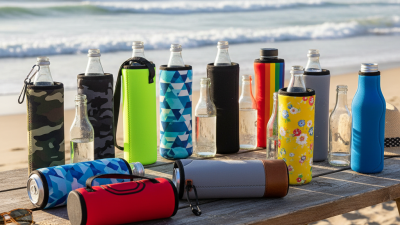
Branding should remain legible on curved, stretchy neoprene. Ask for a sample and inspect the artwork after the cooler is stretched around a bottle. Fine text may wrinkle or disappear into seams, so simple graphics often reproduce more clearly. Also consider practical features: a flat base for setting the bottle down, room for different bottle shapes, and material thickness that balances insulation with easy storage. There is a trade-off. A thicker sleeve may protect better, but it can take up more space in a packed bag. Check how the cooler dries after use, too; that part is easy to overlook.
Assess Suppliers, Customization Options, Costs, and Quality Standards
Choosing a neoprene bottle cooler for business starts with a disciplined supplier check. Ask for factory photos, material specifications, production capacity, and recent sample records. A reliable supplier provides measurable details, not vague promises. Request a physical sample before approving bulk production. Check stitching, zipper movement, odor, insulation thickness, and seam alignment by hand. Small flaws often become expensive complaints.
Customization should support your sales purpose. Confirm logo size, printing method, color matching, handle design, lining, and packaging options. Ask about minimum order quantities, mold fees, artwork charges, sample costs, and shipping terms. A low unit price may hide expensive setup fees. Compare complete landed costs instead of comparing quotations alone. I would not trust a perfect first sample too quickly. Production can still vary.
Quality control needs written standards. Specify acceptable size tolerance, fabric thickness, color variation, stitching strength, and logo durability. Ask how workers inspect each batch and whether inspection records are available. For insulated models, request test conditions and performance results. Independent testing may be useful for large orders. Clarify material composition and care instructions for accurate product claims. Keep a signed sample as the production reference. It may slow purchasing, but it reduces avoidable disputes.