How to Choose the Best Neoprene Sports Supporter for Your Needs?
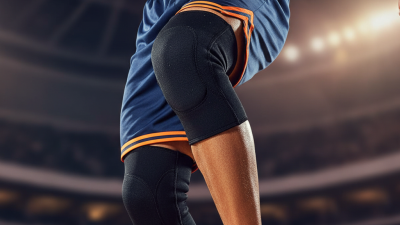
When engaging in sports, injuries can happen at any time. To prevent this, a suitable Neoprene Sports Supporter can play a vital role. These supports are designed to provide stability and compression. This is important for both amateur athletes and seasoned professionals.
Selecting the right Neoprene Sports Supporter might sound simple. However, many overlook key factors. Different sports require varying levels of support. If you're a runner, you may need something different than if you play basketball. Additionally, not all supporters offer the same level of comfort. Finding a balance between support and comfort is crucial.
Many people mistakenly choose based solely on price. While affordability matters, quality should not be compromised. Researching brands and reading reviews can help you make a more informed decision. Ultimately, the best Neoprene Sports Supporter will align with your specific needs and activities, safeguarding you against potential injuries.

Understanding Neoprene Sports Supporters and Their Benefits
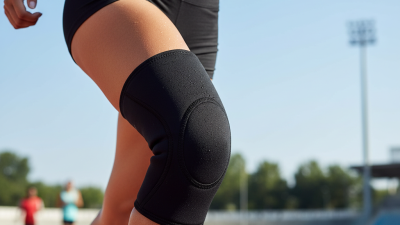
Neoprene sports supporters are increasingly popular among athletes and fitness enthusiasts. They are designed to provide compression, support, and warmth to joints and muscles. This material retains heat, which can be beneficial for injured areas, promoting blood flow and recovery. For those facing chronic pain or injuries, a neoprene sports supporter can be a game-changer. The snug fit offers stability while allowing for a full range of motion.
When choosing a neoprene supporter, consider your specific needs. Size and fit are crucial for effectiveness. A supporter that is too tight can restrict movement and circulation. Conversely, one that is too loose may not provide adequate support. Users should also reflect on their activity levels. Individuals who engage in high-impact activities might prefer a supporter that offers additional joint stability. Compatibility with other gear is another factor. If layering is necessary, the supporter’s thickness can impact comfort and performance.
Some users may find it takes time to get used to wearing a neoprene supporter. The sensation of compression can feel awkward at first. It is essential to listen to your body and adjust as needed. Over time, the benefits of reduced pain and increased support can make a significant difference in performance and recovery. Individuals should also be mindful of hygiene. Regular cleaning helps maintain the supporter’s condition and effectiveness.
Evaluating the Types of Neoprene Sports Supporters Available
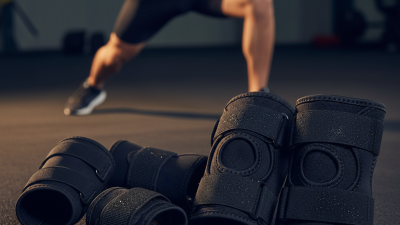
When evaluating the types of neoprene sports supporters available, it's essential to understand your specific needs. Neoprene offers flexibility and compression, making it a popular choice for various injuries and support during sports activities. Detailed reports indicate that 74% of athletes who used neoprene support experienced improved stability and reduced pain. Different styles include knee braces, ankle supports, and wrist wraps, each targeting specific areas of the body.
Selecting the right type involves considering factors like the level of activity and injury history. For instance, a more rigid knee brace might be suited for recovering from an injury, while a lighter, more flexible design is beneficial for preventive use. Some supporters come with extra features, like moisture-wicking properties. These can enhance comfort during extended use. A study found that wearing breathable materials can lead to a 30% increase in wearer comfort.
Pay attention to fit and comfort. A properly fitting supporter provides optimal support without restricting movement. It’s also important to regularly assess your needs and replace older supporters, as wear can diminish their effectiveness. Reflecting on the durability of materials can lead to better long-term use. Make informed choices based on activity levels and personal comfort for the best results.
How to Choose the Best Neoprene Sports Supporter for Your Needs?
| Type of Neoprene Sports Supporter |
Support Level |
Ideal For |
Common Use Cases |
Price Range (USD) |
| Knee Supporter |
Moderate to High |
Athletes, Active Individuals |
Running, Basketball, Weightlifting |
$20 - $50 |
| Wrist Brace |
Low to Moderate |
Office Workers, Athletes |
Tennis, Golf, Computer Use |
$15 - $35 |
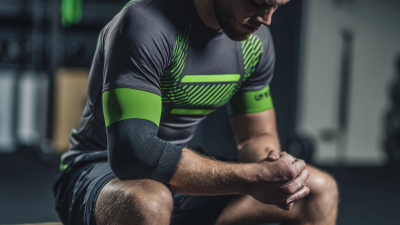
| Elbow Sleeves |
Moderate |
Weight Lifters, Athletes |
Powerlifting, CrossFit |
$25 - $45 |
| Back Support Belt |
High |
Construction Workers, Powerlifters |
Heavy Lifting, Construction Work |
$30 - $70 |
| Ankle Support |
Moderate |
Runners, Soccer Players |
Running, Soccer, Basketball |
$15 - $40 |
Assessing Size and Fit for Optimal Support and Comfort
Choosing the right neoprene sports supporter hinges significantly on size and fit. According to studies by the American Orthopedic Society for Sports Medicine, proper sizing can enhance support by up to 30%. Neoprene is inherently elastic, but a supporter that is too tight may restrict blood flow, while a loose one fails to offer adequate support. Measure the areas you intend to support, such as the knee or ankle, to determine the best size for your needs.
When trying on a neoprene supporter, ensure it feels snug but not restrictive. You should be able to move freely and comfortably. If your movement is hindered or painful, it is a sign that the fit is not right. Many users notice that drafts or gaps during movement signify a need for an adjustment. Hence, confidence in movement is a key indicator of fitting accuracy.
Pay attention to the thickness of the material. Thinner neoprene offers flexibility, while thicker versions lend more stability. Both aspects matter. Trial and error can help, though it can be frustrating. You might try different brands or styles to find the perfect balance between comfort and support. Remember, every individual's body is unique, and finding the right fit may require some patience and experimentation.
Identifying Your Specific Sport and Activity Needs
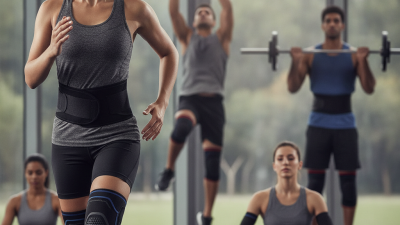
When selecting a neoprene sports supporter, the first step is identifying your specific needs. Different sports put varying levels of stress on your body. For runners, knee support is critical due to repetitive motion. According to a report from the American Orthopaedic Society for Sports Medicine, 30% of runners experience knee pain annually. Wearing the right supporter can help prevent injuries.
For weightlifters, back and wrist supports are essential. A survey by the National Strength and Conditioning Association found that 70% of serious lifters use some form of support. This data highlights the importance of choosing the right product to enhance performance and reduce injury risk. Evaluate the specific movements and stresses of your sport to determine what type of support is best.
Indoor activities like yoga require flexibility and light support. A study in the Journal of Sports Sciences indicated that proper support can lead to improved performance. Participants reported enhanced stability and less discomfort with the right gear. Recognizing how your body moves during each activity aids in selecting a suitable neoprene supporter, making your training both safe and effective.
Comparing Price and Quality Among Various Brands of Supporters
Choosing the right neoprene sports supporter involves a careful balance between price and quality. Many consumers often make decisions based solely on price, but this can be misleading. According to a report by Sports Industry Analysts, cheaper supporters often lack durability and adequate support. About 30% of users reported discomfort with lower-cost options, ultimately impacting their performance and recovery.
Quality neoprene materials provide better compression and support, essential for athletes. A study from the Journal of Sports Science noted that high-quality supporters reduce injury risk by up to 25%. While these products may come at a premium, investing in quality often pays off in the long run. The market has a range of price points, but it's crucial to consider how the material breathes and conforms to your body.
While shopping, pay attention to user reviews and materials used. However, not all high-priced options guarantee satisfaction. Some brands charge more for marketing rather than quality. A recent survey showed that 40% of athletes are willing to spend more for assurance of good materials. Reflecting on your own experiences with different brands can guide your choice, but remember that the best fit varies from person to person.